



Cat Palm Plant: A Complete Guide
Introduction
Cat palm plant, also known as Chamaedorea cataractarum, is a popular houseplant that adds a touch of tropical elegance to any indoor space. This plant is native to Mexico and Guatemala and is widely cherished for its lush, green fronds and easy care requirements. In this comprehensive guide, we will explore everything you need to know about the cat palm plant, from its origins and characteristics to its care and maintenance.
Origins and Characteristics
The cat palm plant belongs to the Arecaceae family and is characterized by its slender, cane-like stems and feathery, arching fronds. It typically grows to a height of 4-6 feet indoors, making it an ideal choice for smaller spaces. The leaves of the cat palm plant are deep green in color and are divided into multiple segments, giving them a delicate and graceful appearance.
Cat palm plants are native to the rainforests of southern Mexico and Guatemala, where they thrive in warm, humid environments with dappled sunlight. In their natural habitat, these plants are often found growing in the understory of taller trees, where they receive filtered light and protection from direct sun.
Care and Maintenance
Cat palm plants are relatively easy to care for and are well-suited to indoor environments. Here are some essential care tips to help your cat palm plant thrive:
Light:

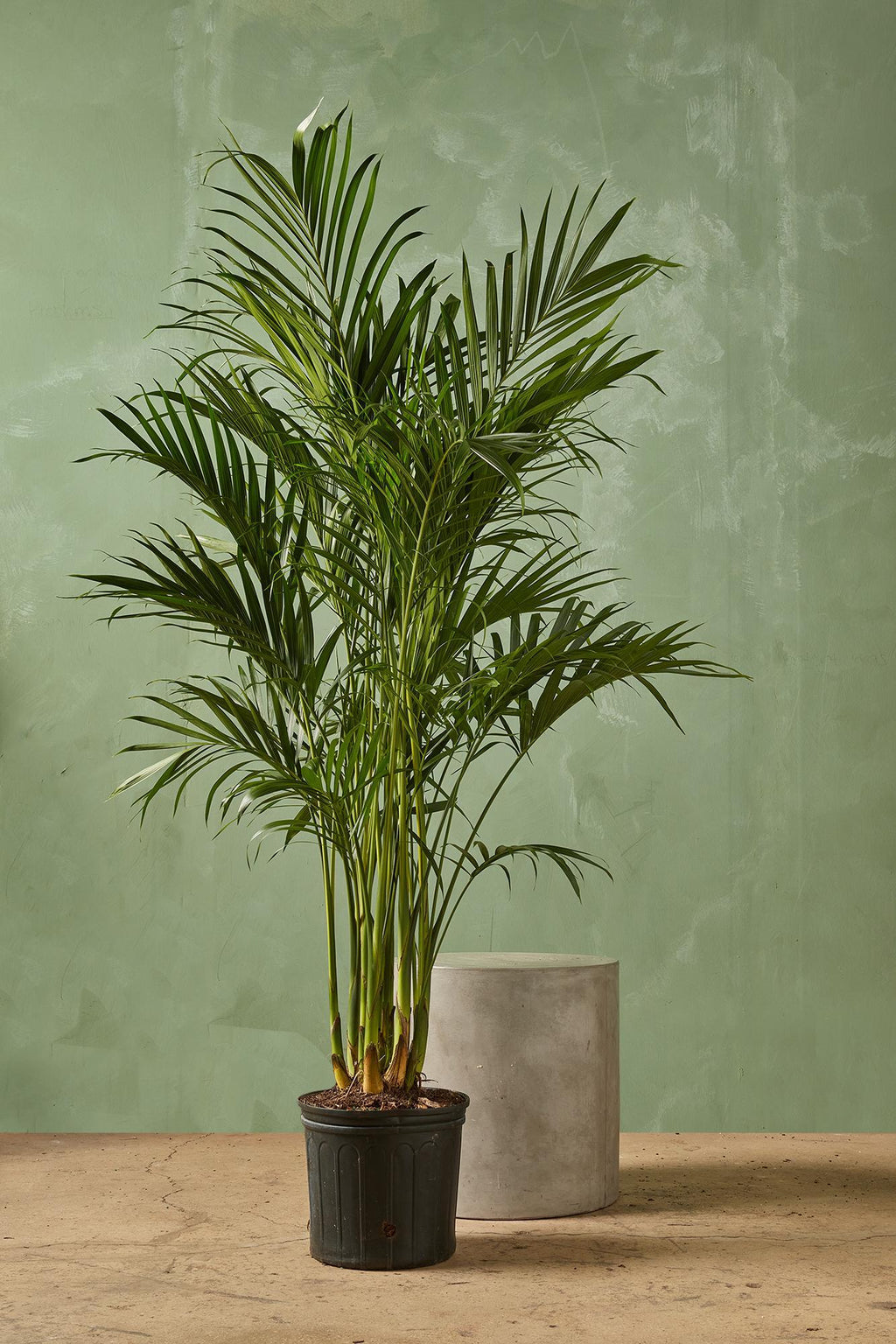
Cat palm plants prefer bright, indirect light. Avoid placing them in direct sunlight, as this can scorch their delicate leaves. If your plant is not receiving enough light, its leaves may turn yellow or brown.
Water:
Keep the soil of your cat palm plant consistently moist but not waterlogged. Water when the top inch of soil feels dry to the touch, and be sure to empty any excess water that collects in the saucer beneath the pot to prevent root rot.
Humidity:
Cat palm plants thrive in humid environments, so it’s a good idea to mist the leaves regularly or place a humidifier nearby. You can also create a humid microclimate by placing a tray of water near the plant or grouping it with other plants.
Temperature:
Cat palm plants prefer temperatures between 60-85°F (15-29°C). Keep them away from drafts and sudden temperature fluctuations, as this can stress the plant.
Fertilizer:


Feed your cat palm plant with a balanced liquid fertilizer once a month during the growing season (spring and summer). Avoid over-fertilizing, as this can lead to nutrient buildup in the soil.
Propagation:
Cat palm plants can be propagated by division. Simply separate the plant at the root ball and replant the divisions in separate pots with fresh soil.
Common Issues
Despite their relatively easy care requirements, cat palm plants can still experience a few common issues. Here are some potential problems to watch out for:
– Yellowing leaves: This can be a sign of overwatering, underwatering, or insufficient light. Adjust your care routine accordingly to address the issue.
– Brown tips: Brown tips on the leaves can indicate underwatering, low humidity, or fertilizer burn. Check your plant’s moisture levels and environment to determine the cause.
– Pests: Cat palm plants are susceptible to spider mites, mealybugs, and scale insects. Keep an eye out for any signs of infestation, such as webbing or sticky residues, and treat the plant promptly with insecticidal soap or neem oil.
Conclusion
In conclusion, the cat palm plant is a beautiful and low-maintenance houseplant that can add a touch of tropical flair to any indoor space. By following the care tips outlined in this guide, you can ensure that your cat palm plant thrives and continues to bring joy and beauty to your home. Whether you’re a seasoned plant parent or a novice green thumb, the cat palm plant is sure to delight and impress with its elegant fronds and graceful presence.


