



Sweet Potato Plant: A Versatile and Nutritious Crop
Sweet potatoes are a staple food in many parts of the world, known for their sweet taste and versatility in cooking. The sweet potato plant, also known as Ipomoea batatas, is a member of the Convolvulaceae family and is grown for its tuberous roots. In this article, we will explore the history, cultivation, and nutritional benefits of the sweet potato plant.
History of the Sweet Potato Plant
The sweet potato plant is believed to have originated in Central or South America, where it has been cultivated for thousands of years. It was introduced to Europe by Spanish explorers in the 16th century and later spread to other parts of the world, including Africa and Asia.
Sweet potatoes were an important crop for indigenous peoples in the Americas, who valued them for their nutritional value and storage capabilities. They were also used in traditional medicine for their healing properties. Today, sweet potatoes are grown in over 100 countries around the world, with China being the largest producer.
Cultivation of Sweet Potatoes
Sweet potatoes are grown from vine cuttings or slips, which are planted in well-drained soil with plenty of sunlight. The plants require a long growing season, typically around 4-6 months, and prefer warm temperatures. They are drought-tolerant and can be grown in a variety of soil types, making them a versatile crop for farmers in different regions.

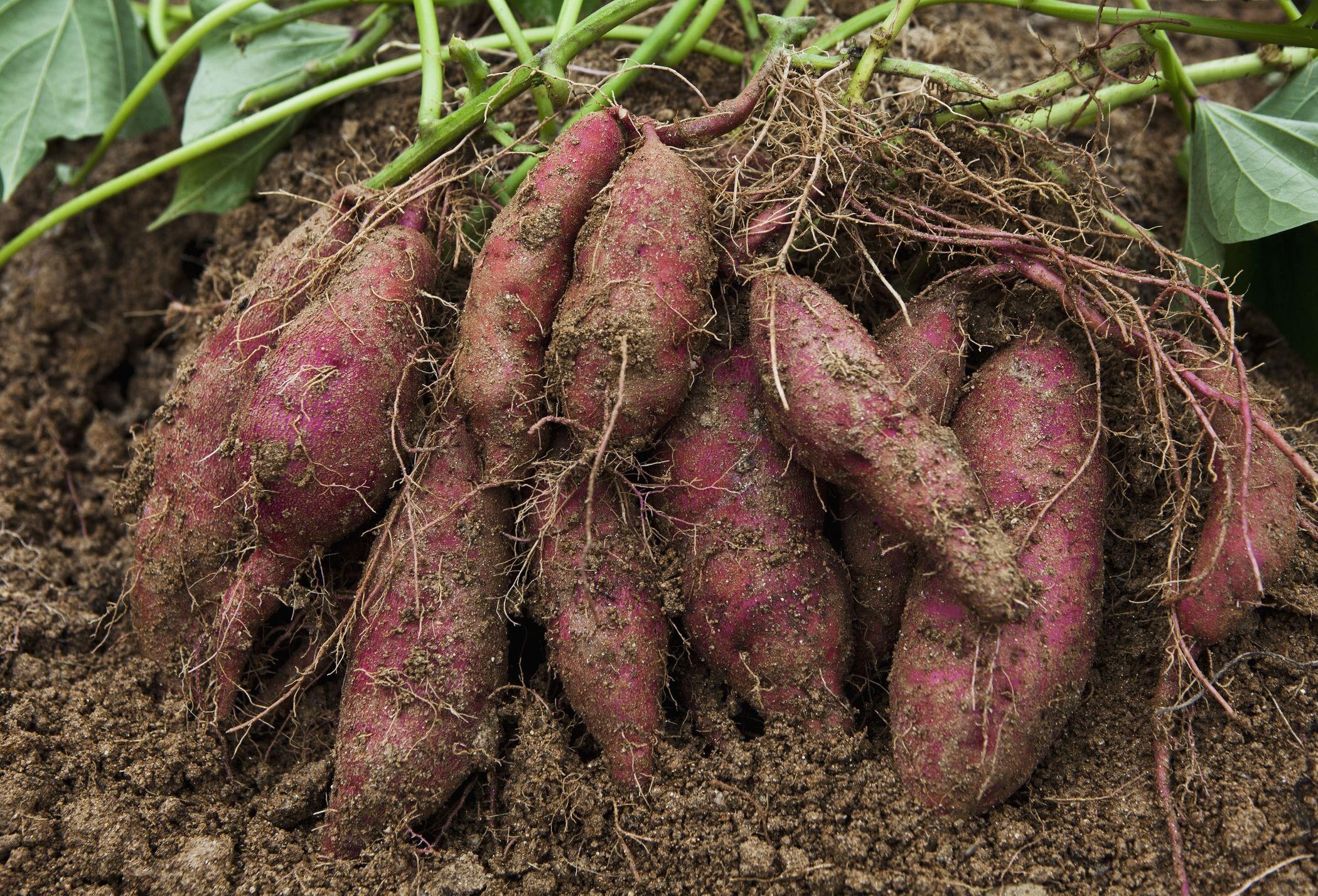
Once planted, sweet potato plants require regular watering and fertilization to promote healthy growth. The vines can spread out and cover a large area, making them ideal for ground cover or as a decorative plant in gardens. Sweet potatoes are usually harvested by hand, as the tubers can be easily damaged if machine harvested.
Nutritional Benefits of Sweet Potatoes
Sweet potatoes are a highly nutritious crop, rich in vitamins, minerals, and fiber. They are low in fat and calories, making them a healthy choice for those looking to maintain a balanced diet. Sweet potatoes are an excellent source of vitamin A, vitamin C, and potassium, as well as antioxidants like beta-carotene.
The sweet potato plant also contains complex carbohydrates, which provide a steady source of energy and help regulate blood sugar levels. The fiber in sweet potatoes promotes digestive health and can help prevent constipation. Sweet potatoes are also gluten-free, making them a suitable option for those with gluten intolerances or celiac disease.
Uses of the Sweet Potato Plant
Sweet potatoes can be cooked in a variety of ways, including baking, boiling, steaming, or frying. They are commonly used in both sweet and savory dishes, such as casseroles, pies, and fries. Sweet potato leaves are also edible and can be cooked like spinach or used in salads.


In addition to their culinary uses, sweet potatoes can also be used in other applications. The tubers can be processed into flour, starch, or alcohol, while the vines can be used as animal feed or in compost. Sweet potatoes are also used in traditional medicine for their anti-inflammatory and antioxidant properties.
Conclusion
The sweet potato plant is a versatile and nutritious crop that has been cultivated for centuries for its culinary and medicinal benefits. With its rich history, easy cultivation, and numerous health benefits, the sweet potato plant continues to be a popular choice for farmers and consumers around the world. Whether enjoyed as a tasty side dish or used in alternative applications, the sweet potato plant remains a valuable resource for sustainable agriculture and healthy living.


