



Clover Lawn Plant: A Comprehensive Guide
Clover is a common plant that is often overlooked when it comes to landscaping. However, clover can make a beautiful and eco-friendly addition to any lawn. In this article, we will explore the benefits of clover as a lawn plant and provide tips on how to incorporate it into your landscaping.
The Benefits of Clover
1. Drought Tolerance
Clover is a resilient plant that can survive in dry conditions, making it a great choice for areas that experience droughts. Unlike grass, which requires regular watering to stay green and healthy, clover can thrive with minimal water.
2. Low Maintenance
One of the biggest advantages of clover is its low maintenance requirements. Clover does not need to be mowed as often as grass, saving you time and effort. Additionally, clover does not require fertilizers or pesticides, making it a more environmentally friendly option for your lawn.
3. Soil Enrichment
Clover is a nitrogen-fixing plant, which means it has the ability to convert nitrogen from the air into a form that can be used by other plants. This makes clover a natural fertilizer for your lawn, helping to improve the health of the soil and promote the growth of other plants.
How to Incorporate Clover into Your Lawn
1. Overseeding

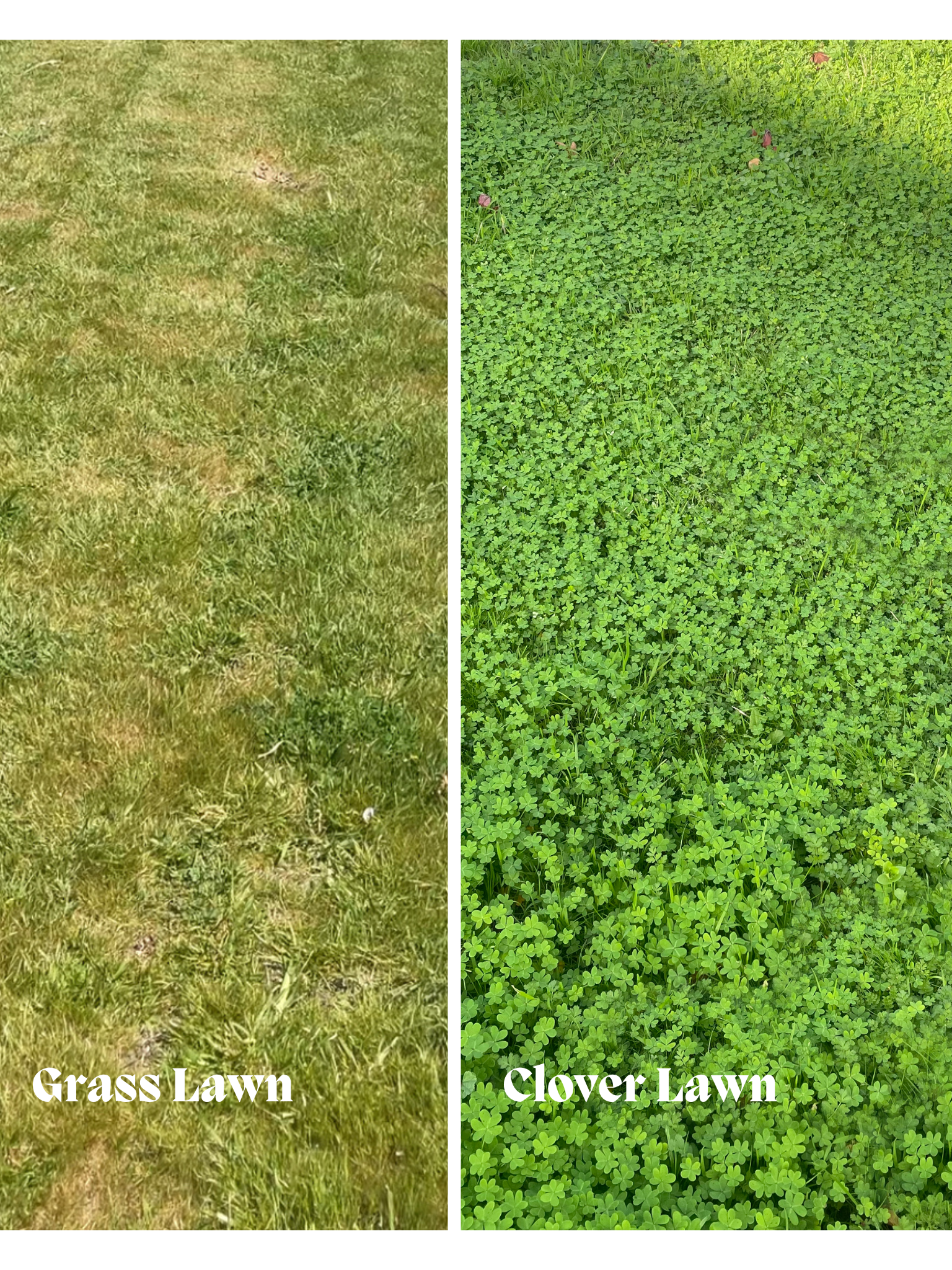
One way to introduce clover into your lawn is by overseeding. Simply scatter clover seeds over your existing grass and water them regularly until they germinate. Over time, the clover will spread and create a lush, green carpet in your lawn.
2. Clover Lawns
If you are starting from scratch, consider planting a clover lawn instead of traditional grass. Prepare the soil by removing any weeds and compacted soil, then sow clover seeds evenly across the area. Water the seeds regularly until they germinate and establish themselves.
3. Clover Borders
Another way to incorporate clover into your landscaping is by planting it along the borders of your lawn or garden beds. Clover can act as a natural ground cover, helping to prevent soil erosion and suppress weeds. Plus, the vibrant green leaves and delicate flowers of clover can add a pop of color to your landscape.
Caring for Your Clover Lawn
1. Watering
While clover is drought-tolerant, it still needs water to thrive. Water your clover lawn regularly, especially during hot, dry periods. Aim to keep the soil moist but not waterlogged, as too much water can promote fungal diseases.
2. Mowing
Clover does not need to be mowed as often as grass, but it can benefit from a trim every now and then to keep it looking neat and tidy. Set your mower to a higher cutting height to avoid damaging the clover plants, and mow in the early morning or late afternoon when the sun is not as strong.
3. Weeding
While clover can help suppress weeds, it is still important to keep an eye out for any invasive plants that may try to take over your lawn. Pull out any weeds by hand or use a natural weed killer to keep your clover lawn looking its best.
Conclusion
Clover is a versatile and eco-friendly plant that can make a beautiful addition to any lawn. With its drought tolerance, low maintenance requirements, and soil-enriching properties, clover is a great choice for homeowners looking to create a sustainable and vibrant landscape. Whether you choose to overseed your existing lawn, plant a clover lawn from scratch, or use clover as a border plant, incorporating clover into your landscaping can have numerous benefits for both you and the environment. So go ahead and give clover a try in your lawn – you won’t be disappointed!


