



Introduction
Laurel hedge plants are a popular choice for creating privacy screens and boundaries in gardens. Their dense foliage and fast growth make them ideal for shaping into formal hedges or informal screens. In this article, we will explore the various aspects of laurel hedge plants, including their characteristics, care requirements, and common uses in landscaping.
Characteristics of Laurel Hedge Plants
Laurel hedge plants belong to the genus Prunus, which includes several species such as cherry laurel (Prunus laurocerasus) and Portuguese laurel (Prunus lusitanica). These evergreen shrubs are known for their glossy, dark green leaves and dense growth habit. Cherry laurel is native to regions in Europe and Asia, while Portuguese laurel is native to the Iberian Peninsula.
Cherry Laurel
Cherry laurel is a popular choice for hedging due to its fast growth rate and tolerance of various soil types. It can reach heights of up to 20 feet and has a spread of 10-15 feet. The leaves are oval-shaped and can grow up to 6 inches long, creating a lush and dense appearance. Cherry laurel produces small white flowers in spring, followed by red berries in the fall.
Portuguese Laurel
Portuguese laurel is a slower-growing species compared to cherry laurel, but it has more compact growth and smaller leaves. It can reach heights of 10-15 feet and has a spread of 6-10 feet. The leaves are dark green and have a glossy texture, adding a touch of elegance to any garden. Portuguese laurel produces small white flowers in late spring, which are followed by black berries in the fall.
Care Requirements

Planting
Laurel hedge plants prefer well-drained soil and partial to full sun. They are adaptable to various soil types, including clay, loam, and sandy soils. When planting a laurel hedge, make sure to space the plants at least 2-3 feet apart to allow for proper air circulation and growth. Water the plants regularly during the first year to help establish a strong root system.
Pruning
Regular pruning is essential to maintain the shape and density of a laurel hedge. Prune the plants in late winter or early spring before new growth appears. Use sharp pruning shears to cut back any overgrown or damaged branches. Avoid cutting into old wood as this can affect the plant’s ability to produce new growth. Trim the hedge to the desired height and shape, taking care to create a slight taper towards the top to allow sunlight to reach the lower branches.
Fertilizing
Laurel hedge plants benefit from annual fertilization to promote healthy growth and vibrant foliage. Use a balanced fertilizer with equal amounts of nitrogen, phosphorus, and potassium. Apply the fertilizer in early spring before new growth begins. Water the plants well after fertilizing to help the nutrients penetrate the soil and reach the roots.
Common Uses in Landscaping


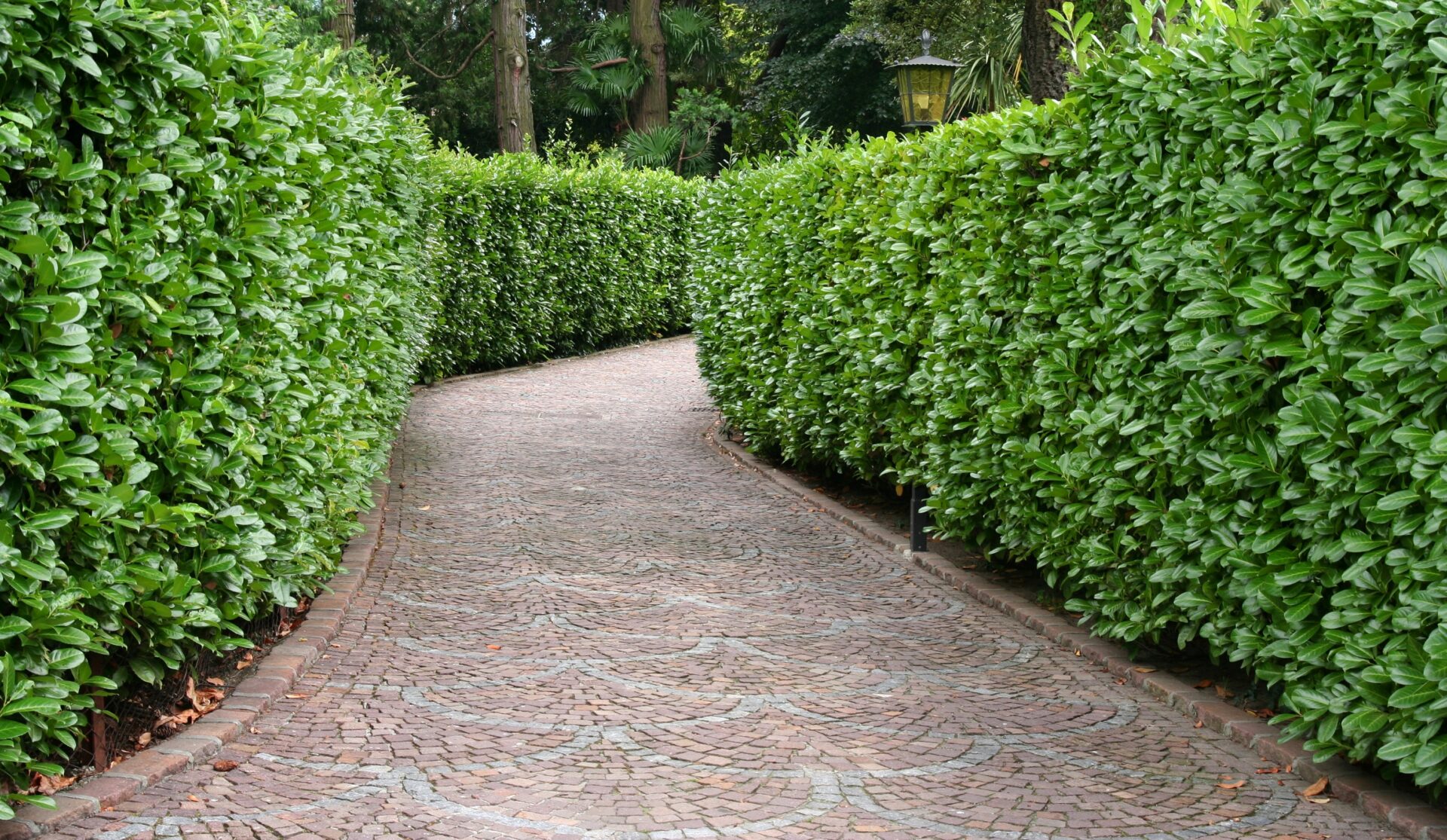
Laurel hedge plants are a versatile option for landscaping projects due to their dense foliage and attractive appearance. They can be used to create formal hedges along property lines or walkways, providing privacy and definition to outdoor spaces. Laurel hedges also make excellent windbreaks and noise barriers, helping to create a peaceful and secluded environment in the garden.
Privacy Screens
One of the most popular uses of laurel hedge plants is to create privacy screens in gardens. Their dense growth and evergreen foliage provide year-round coverage, blocking out unwanted views and noise from neighboring properties. Laurel hedges can be shaped into formal designs, such as rectangles or squares, or left to grow in a more natural and informal manner.
Boundary Markers
Laurel hedge plants are often used as boundary markers to define property lines or separate different areas of the garden. They can be planted along fences or walls to soften hard edges and create a seamless transition between outdoor spaces. Laurel hedges are also effective at blocking out unsightly views or creating a sense of enclosure in open areas.
Conclusion
In conclusion, laurel hedge plants are a popular choice for creating privacy screens and boundaries in gardens. Their dense foliage, fast growth, and attractive appearance make them an ideal option for shaping into formal hedges or informal screens. By following the care requirements outlined in this article, you can enjoy a lush and vibrant laurel hedge that enhances the beauty and functionality of your outdoor space. Whether used as a privacy screen, boundary marker, or windbreak, laurel hedge plants are sure to add value and charm to any landscaping project.


