



Lady Palm Plant: A Guide to Growing and Caring for Rhapis Excelsa
The Lady Palm plant, scientifically known as Rhapis excelsa, is a popular choice for indoor and outdoor landscaping due to its elegant appearance and low maintenance requirements. This slow-growing, clumping palm species is native to Southern China and Taiwan and thrives in subtropical and tropical climates. In this article, we will explore the characteristics of the Lady Palm plant, its care requirements, and tips for ensuring its health and growth.
Characteristics of the Lady Palm Plant
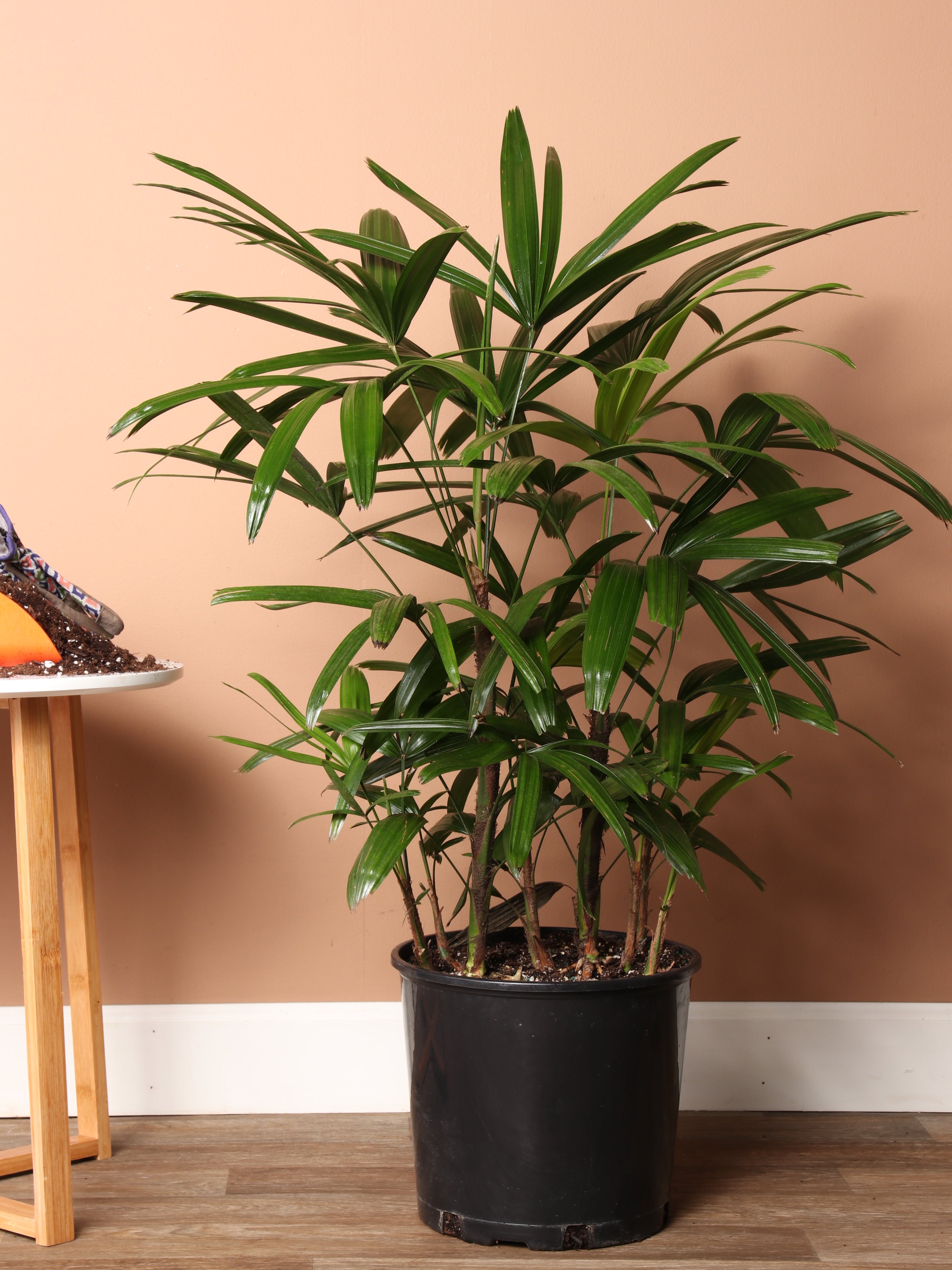
The Lady Palm plant is known for its distinctive fan-shaped leaves that grow in a circular pattern, creating a lush and dense appearance. The leaves are dark green in color and have a glossy texture, adding to the plant’s aesthetic appeal. The stems of the Lady Palm plant are covered in a fibrous sheath, giving them a unique and ornamental look.
One of the key features of the Lady Palm plant is its ability to thrive in low light conditions, making it an ideal choice for indoor spaces with limited natural light. This plant is also relatively resistant to pests and diseases, making it a low-maintenance option for both beginner and experienced gardeners.
Care Requirements for the Lady Palm Plant
Light
The Lady Palm plant prefers bright, indirect light but can also tolerate low light conditions. It is important to avoid placing the plant in direct sunlight, as this can cause the leaves to burn and turn yellow. If growing the Lady Palm indoors, place it near a window where it can receive filtered sunlight throughout the day.
Water

:max_bytes(150000):strip_icc()/KaraRileyLadyPalm-2-ca810cf96f4b46cbb2ff9ce2ba6a279a.jpg "How to Grow and Care for Lady Plant Indoors")
Proper watering is essential for the health and growth of the Lady Palm plant. Water the plant regularly, allowing the top inch of soil to dry out between waterings. It is important to avoid overwatering, as this can lead to root rot and other issues. During the winter months, reduce the frequency of watering to prevent waterlogged soil.
Soil
The Lady Palm plant thrives in well-draining soil that is rich in organic matter. A mixture of peat moss, perlite, and sand is ideal for promoting healthy root growth and preventing waterlogging. Repot the plant every 2-3 years to refresh the soil and provide room for growth.
Temperature and Humidity
The Lady Palm plant prefers temperatures between 65-80 degrees Fahrenheit and high humidity levels. If growing the plant indoors, mist the leaves regularly or place a humidifier nearby to increase humidity levels. Avoid placing the plant near drafts or air conditioning vents, as this can cause stress and damage to the foliage.
Fertilization
Feed the Lady Palm plant with a balanced, slow-release fertilizer every 6-8 weeks during the growing season (spring and summer). Avoid over-fertilizing, as this can cause nutrient imbalances and damage to the roots. During the winter months, reduce the frequency of fertilization to once every 2-3 months.
Tips for Ensuring the Health and Growth of the Lady Palm Plant

Here are some additional tips for caring for your Lady Palm plant and ensuring its health and growth:
Pruning
Remove any dead or yellowing leaves from the plant to promote healthy growth and prevent the spread of diseases. Use clean, sharp scissors or pruning shears to make clean cuts and prevent damage to the remaining foliage.
Propagation
The Lady Palm plant can be propagated through division, where the plant is divided into smaller sections and replanted in separate containers. This is best done during the spring or summer months when the plant is actively growing. Make sure each division has a healthy root system and foliage to ensure successful growth.
Pest Control
Monitor the Lady Palm plant regularly for signs of pests such as spider mites, mealybugs, and scale insects. If infestations are detected, treat the plant with insecticidal soap or neem oil to eliminate the pests. Quarantine any affected plants to prevent the spread of pests to other plants.
Repotting
Repot the Lady Palm plant every 2-3 years to refresh the soil and provide room for growth. Choose a slightly larger pot with drainage holes to prevent waterlogging and promote healthy root development. Gently loosen the roots before replanting to prevent root binding and encourage new growth.
Conclusion
The Lady Palm plant is a versatile and low-maintenance species that adds a touch of elegance to any indoor or outdoor space. By following the care tips outlined in this article, you can ensure the health and growth of your Lady Palm plant and enjoy its beauty for years to come. Whether you are a beginner gardener or an experienced plant enthusiast, the Lady Palm plant is a great choice for adding greenery and style to your home or garden.


