


Syngonium Pink Plant: A Gorgeous Addition to Your Indoor Garden
Syngonium Pink plants, also known as arrowhead plants or arrowhead vines, are a popular choice for indoor plant enthusiasts looking to add a touch of color and elegance to their living spaces. These stunning plants are characterized by their striking pink and green foliage, which adds a pop of color to any room. In this article, we will explore the unique characteristics of the Syngonium Pink plant and discuss how you can care for and propagate these beautiful plants to create a thriving indoor garden.
Characteristics of the Syngonium Pink Plant
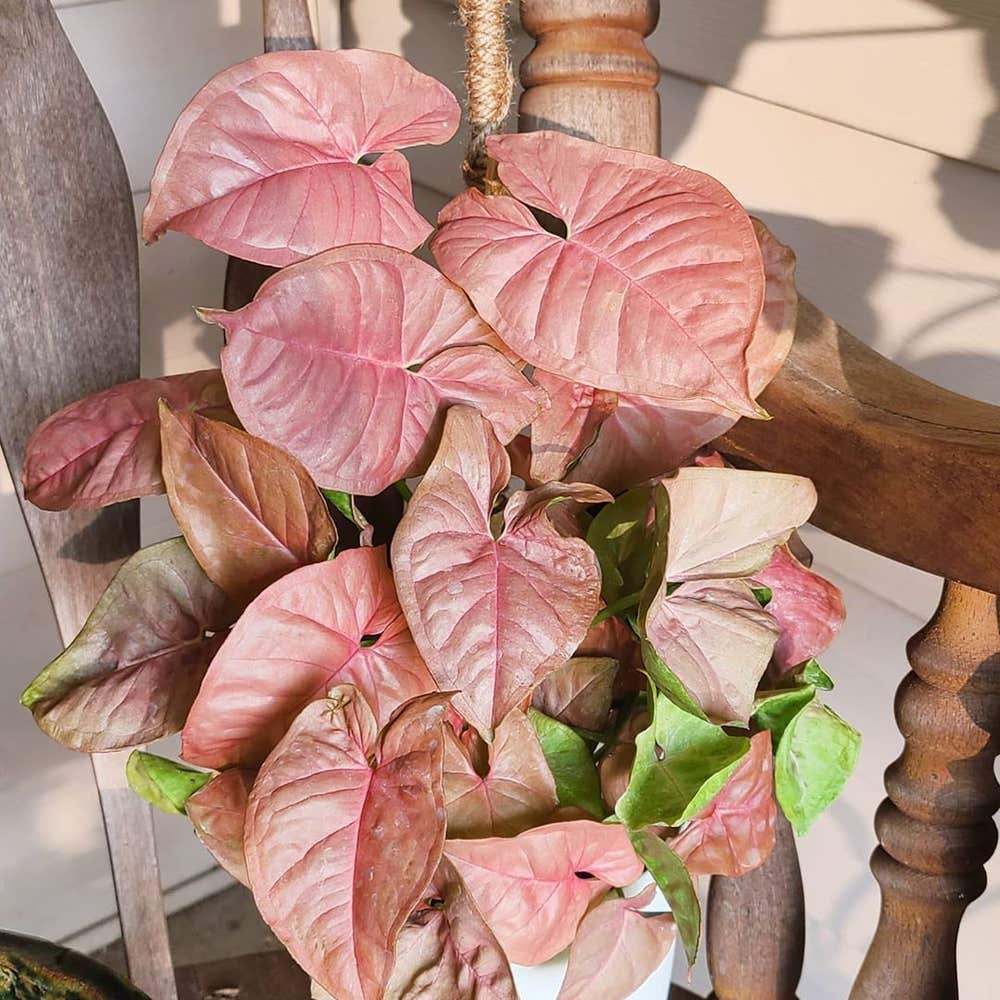
The Syngonium Pink plant is a member of the Araceae family, which includes popular houseplants such as philodendrons and peace lilies. This plant is native to tropical rainforests in Central and South America, where it thrives in the warm and humid climate. The Syngonium Pink plant is characterized by its arrowhead-shaped leaves, which can vary in color from pale pink to deep magenta, with contrasting green veins running through the foliage. This unique coloration adds a vibrant and eye-catching element to any indoor garden.
Types of Syngonium Pink Plants
There are several varieties of Syngonium Pink plants available, each with its own unique characteristics. Some popular varieties include the Syngonium podophyllum ‘Pink Allusion’, which features pale pink leaves with green veins, and the Syngonium podophyllum ‘Neon Robusta’, which has bright magenta leaves with deep green veins. Whether you prefer a softer pastel pink or a bold and vibrant hue, there is a Syngonium Pink plant variety to suit your personal style and preferences.
Caring for Your Syngonium Pink Plant
Syngonium Pink plants are relatively easy to care for, making them a great choice for beginner plant enthusiasts. To ensure that your plant thrives and remains healthy, it is important to provide it with the right conditions and care. Here are some tips for caring for your Syngonium Pink plant:
Light:
Syngonium Pink plants thrive in bright, indirect light. Place your plant near a window where it can receive plenty of natural light, but be sure to protect it from direct sunlight, which can scorch the leaves.
Water:
Keep the soil of your Syngonium Pink plant consistently moist, but not waterlogged. Water your plant when the top inch of soil feels dry to the touch, and be sure to allow any excess water to drain away to prevent root rot.
Humidity:
Syngonium Pink plants thrive in humid environments, so it is important to provide them with ample humidity. You can increase humidity levels by misting your plant regularly, placing a humidifier nearby, or placing a tray of water filled with pebbles beneath the plant.
Temperature:
Syngonium Pink plants prefer warm temperatures between 60-75°F (15-24°C). Avoid exposing your plant to temperature extremes or drafts, which can cause stress and damage to the foliage.
Fertilizer:
Feed your Syngonium Pink plant with a balanced liquid fertilizer every 4-6 weeks during the growing season (spring and summer). Be sure to dilute the fertilizer to half strength to prevent burning the roots.
Propagation of Syngonium Pink Plants
One of the great things about Syngonium Pink plants is that they are relatively easy to propagate, allowing you to expand your plant collection or share cuttings with friends and family. There are several methods you can use to propagate your Syngonium Pink plant, including:
Division:
You can divide your Syngonium Pink plant by carefully separating the roots and rhizomes into smaller sections. Be sure to replant each division in a separate pot with fresh soil to encourage healthy growth.
Stem Cuttings:
To propagate your Syngonium Pink plant from stem cuttings, simply take a cutting with at least one leaf node and place it in a jar of water. Roots will begin to form within a few weeks, at which point you can transfer the cutting to a pot with soil.
Air Layering:
Air layering is another method you can use to propagate your Syngonium Pink plant. Simply wrap a section of the stem in moist sphagnum moss and cover it with plastic wrap. Roots will begin to form within a few weeks, at which point you can cut the stem below the new roots and plant it in soil.
In Conclusion
Syngonium Pink plants are a stunning addition to any indoor garden, with their striking pink and green foliage adding a pop of color and elegance to any room. These plants are relatively easy to care for and propagate, making them a great choice for both beginner and experienced plant enthusiasts. By providing your Syngonium Pink plant with the right conditions and care, you can enjoy the beauty and vibrancy of this unique plant for years to come. So why not add a Syngonium Pink plant to your indoor garden today and elevate your space with its gorgeous foliage?


