


Smilax Plant: A Comprehensive Guide
Smilax plants, also known as greenbriers or catbriers, are a group of flowering plants that belong to the Smilacaceae family. These plants are commonly found in tropical and temperate regions around the world, and they are known for their climbing or trailing vines with thorns. In this comprehensive guide, we will explore everything you need to know about Smilax plants, from their characteristics and uses to their cultivation and care.
Characteristics of Smilax Plants
Smilax plants are characterized by their woody vines that can climb or trail along the ground. The leaves of Smilax plants are typically glossy and leathery, and they can vary in shape from ovate to lanceolate. The flowers of Smilax plants are small and inconspicuous, and they are usually greenish-white in color. Some species of Smilax plants produce berries that are red, black, or blue in color.
One of the most distinctive features of Smilax plants is their thorns, which can be sharp and painful if touched. These thorns serve as a defense mechanism against herbivores and help the plant climb and support itself as it grows.
Uses of Smilax Plants
Smilax plants have been used for various purposes throughout history. One of the most well-known uses of Smilax plants is in traditional medicine. The roots of some species of Smilax plants contain compounds that have been used to treat various ailments, including arthritis, skin conditions, and digestive issues. These compounds are believed to have anti-inflammatory and antioxidant properties that can help improve overall health.
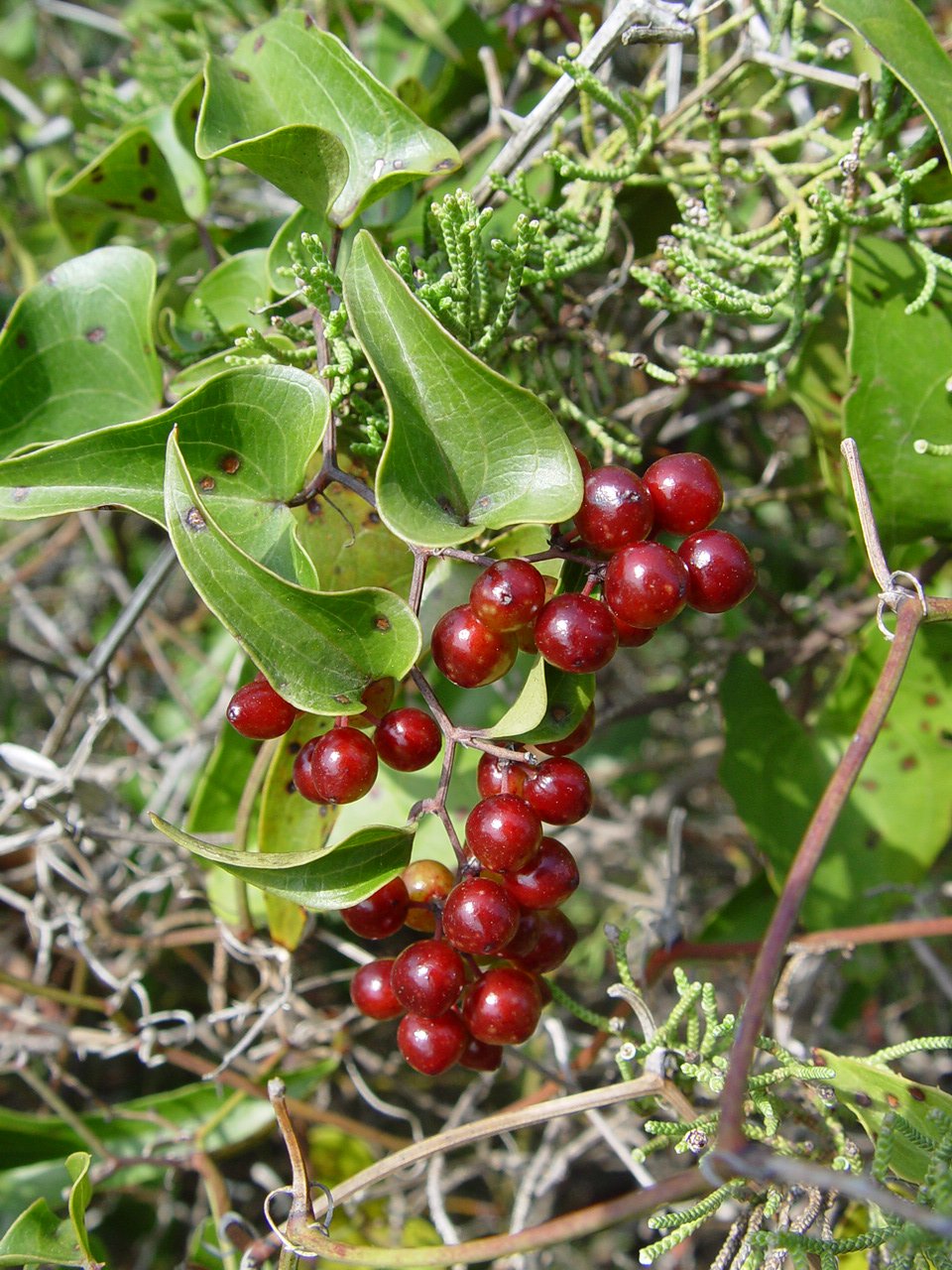
In addition to their medicinal uses, Smilax plants are also valued for their culinary uses. The young shoots and leaves of some species of Smilax plants are edible and can be cooked and eaten as a vegetable. The berries of some species of Smilax plants are also edible and can be used to make jams and jellies.
Cultivation and Care of Smilax Plants
Smilax plants are relatively easy to cultivate and care for, making them a popular choice for home gardeners. When growing Smilax plants, it is important to choose a location that receives partial to full sunlight and has well-draining soil. Smilax plants prefer moist, fertile soil, so be sure to water regularly and provide adequate nutrients to promote healthy growth.
Propagation of Smilax plants can be done through seeds or by dividing the rhizomes. To propagate Smilax plants from seeds, collect the berries when they are ripe and sow them in a seed tray filled with a well-draining potting mix. Keep the soil moist and place the seed tray in a warm, sunny location until the seeds germinate.
If you choose to propagate Smilax plants by dividing the rhizomes, dig up a mature plant and carefully separate the rhizomes into smaller sections. Replant the sections in individual pots or directly in the garden, making sure to keep the soil moist until new growth appears.
Common Varieties of Smilax Plants
There are over 300 species of Smilax plants, each with its own unique characteristics and uses. Some of the most common varieties of Smilax plants include:
1. Smilax bona-nox: Also known as saw greenbrier, this species of Smilax plant has sharp thorns and is native to the southeastern United States.
2. Smilax china: This species of Smilax plant is native to East Asia and is used in traditional Chinese medicine for its medicinal properties.
3. Smilax glabra: Also known as smooth greenbrier, this species of Smilax plant is native to North America and has smooth leaves and thorns.
4. Smilax rotundifolia: This species of Smilax plant is native to North America and is commonly used in herbal medicine for its anti-inflammatory properties.
In conclusion
Smilax plants are a versatile and valuable addition to any garden. With their unique characteristics, medicinal uses, and culinary potential, Smilax plants offer a range of benefits for home gardeners and herbalists alike. Whether you are looking to improve your health with natural remedies or simply add a touch of greenery to your outdoor space, Smilax plants are sure to delight and inspire. So why not consider adding a Smilax plant to your garden today and experience the beauty and benefits firsthand?


