


Peperomia Prostrata Plant: A Complete Guide
Introduction
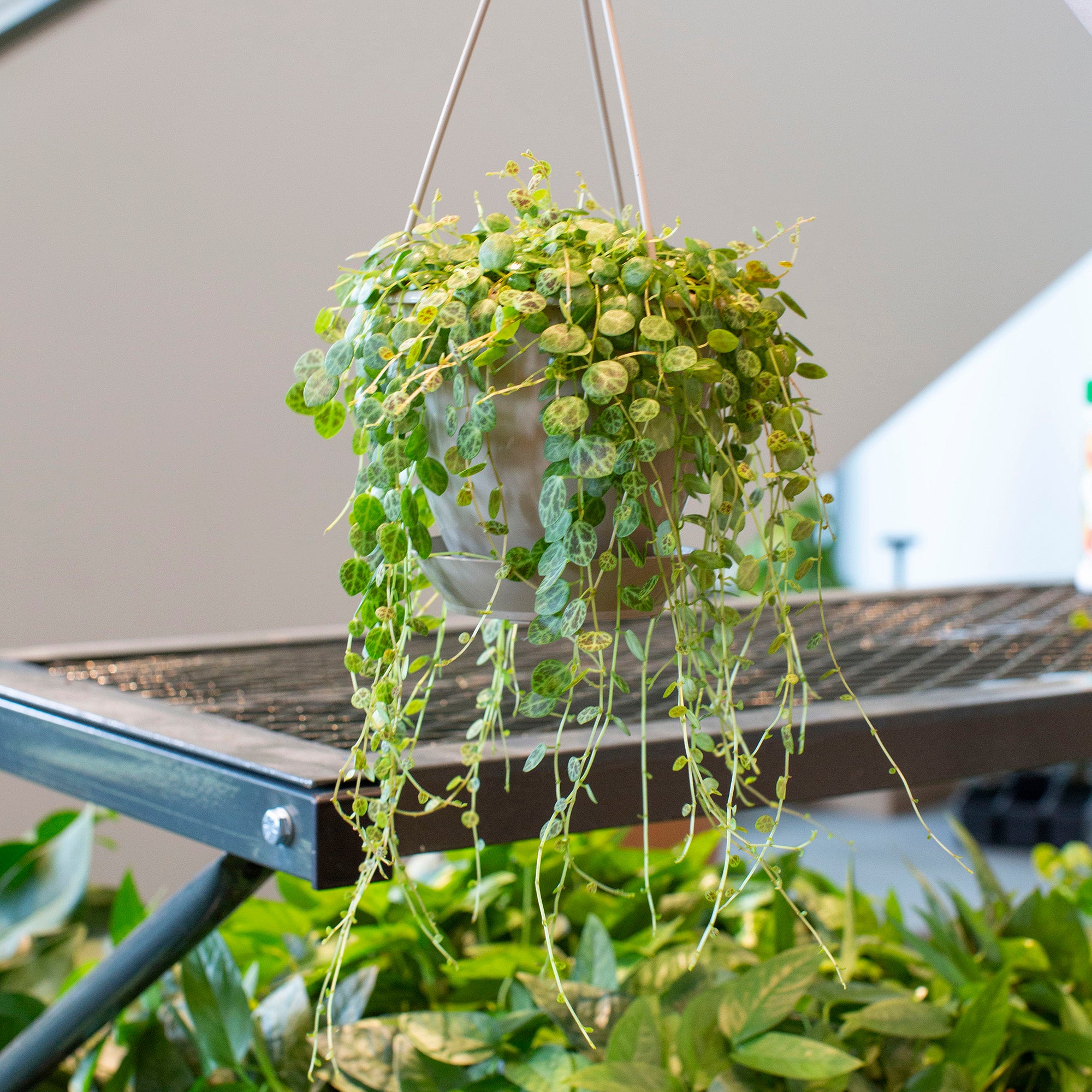
Peperomia Prostrata, also known as String of Turtles, is a unique and eye-catching plant that is becoming increasingly popular among plant enthusiasts. This trailing succulent is native to the rainforests of South America and belongs to the Peperomia family. With its distinctive turtle-like pattern on its leaves, the Peperomia Prostrata is a charming addition to any indoor plant collection.
Characteristics of Peperomia Prostrata
The Peperomia Prostrata plant is characterized by its small, round leaves that have a striking pattern resembling the shell of a turtle. The leaves are green with dark green markings that resemble the markings on a turtle’s shell. The plant has a trailing growth habit, making it an ideal choice for hanging baskets or as a trailing plant on a shelf or windowsill.
Light and Temperature Requirements
Peperomia Prostrata Plant Care
Watering
One of the most important aspects of caring for a Peperomia Prostrata plant is watering. This plant prefers to be watered when the top inch of soil is dry to the touch. It is important not to overwater the plant, as this can lead to root rot. It is recommended to water the plant thoroughly and allow any excess water to drain out of the pot.
Light
Peperomia Prostrata plants prefer bright, indirect light. They can tolerate lower light conditions, but they will not thrive as well. It is best to place the plant near a window where it can receive plenty of natural light without being exposed to direct sunlight, which can scorch the leaves.
Temperature
Peperomia Prostrata plants thrive in temperatures between 65-75 degrees Fahrenheit. They do not tolerate cold temperatures well, so it is important to keep them away from drafts or cold windows during the winter months.
Propagation
Peperomia Prostrata can be propagated easily through stem cuttings. To propagate the plant, simply take a cutting of a healthy stem with at least one leaf and place it in a pot with well-draining soil. Keep the soil consistently moist until the cutting has developed roots, which usually takes a few weeks. Once the cutting has established roots, it can be treated like a mature plant.
Common Problems
One common issue that Peperomia Prostrata plants may face is overwatering, which can lead to root rot. To prevent this, it is important to allow the soil to dry out between waterings and to ensure that the plant is not sitting in water. Another common issue is pests, such as mealybugs or spider mites. These pests can be treated with insecticidal soap or neem oil.
Conclusion
Peperomia Prostrata plants are a unique and charming addition to any indoor plant collection. With their trailing growth habit and distinctive turtle-like leaves, these plants are sure to catch the eye of any plant enthusiast. By following the care tips outlined in this guide, you can ensure that your Peperomia Prostrata plant thrives and remains healthy for years to come.


