


Hoya Linearis Plant: A Comprehensive Guide
Hoya Linearis, also known as the String of Needles plant, is a unique and beautiful succulent that is native to Southeast Asia. This plant has gained popularity among plant enthusiasts for its delicate and trailing vines that resemble strings of needles. In this article, we will explore everything you need to know about caring for and propagating Hoya Linearis.
Description and Characteristics
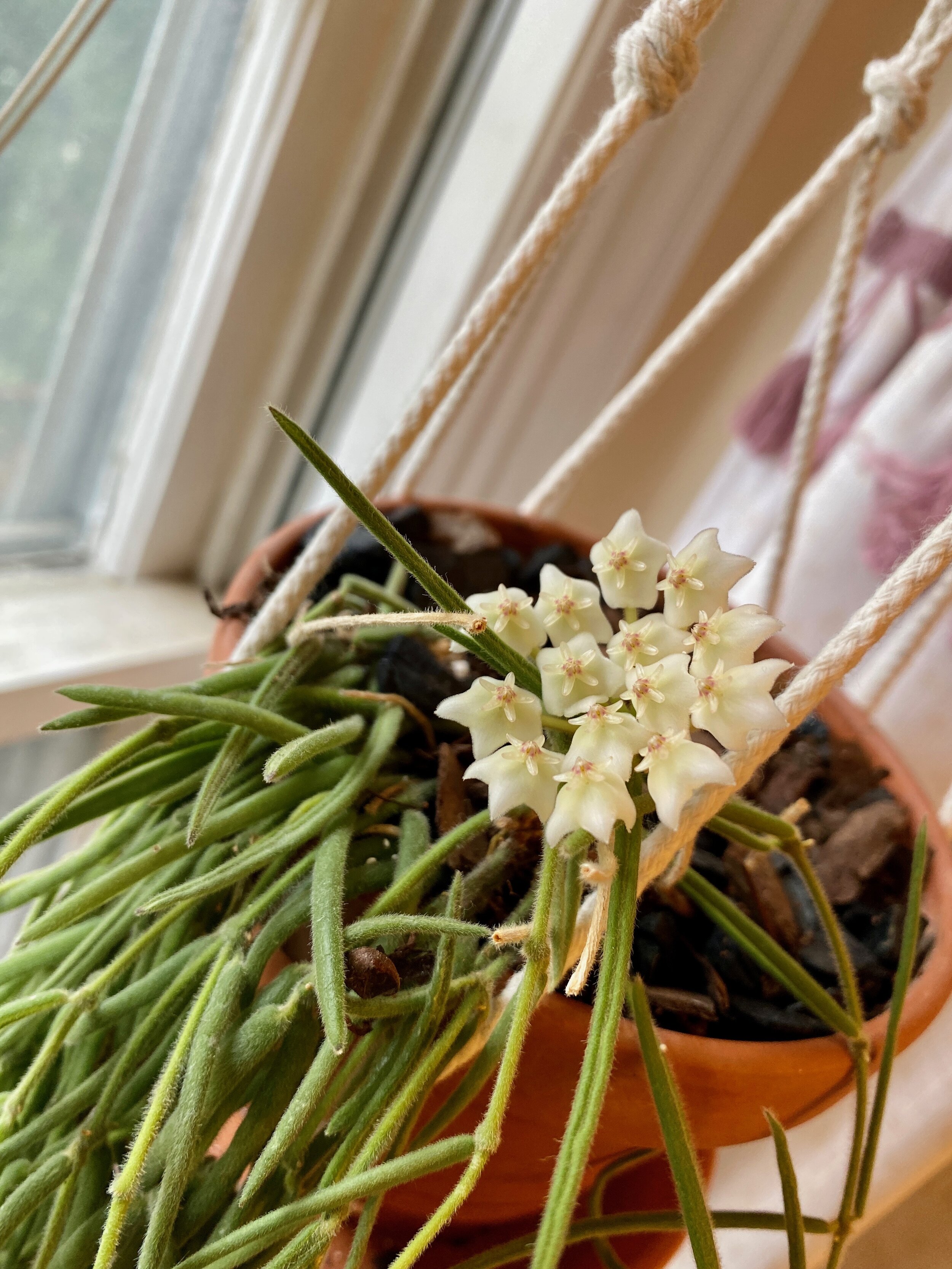
Hoya Linearis is a member of the Asclepiadaceae family and is characterized by its thin and elongated leaves that grow in pairs along the stems. The leaves are succulent and have a slightly fuzzy texture, giving them a unique appearance. The plant produces small clusters of fragrant, star-shaped flowers that range in color from white to pink.
One of the most striking features of the Hoya Linearis plant is its long trailing vines, which can reach lengths of up to several feet. These vines make the plant an ideal choice for hanging baskets or as a trailing plant in a mixed arrangement.
Light and Temperature Requirements
When it comes to caring for Hoya Linearis, providing the right amount of light is crucial. This plant thrives in bright, indirect light, but it can also tolerate some direct sunlight. However, too much direct sunlight can cause the leaves to burn, so it is best to place the plant in a location where it receives filtered sunlight or morning sun.
In terms of temperature, Hoya Linearis prefers warm and humid conditions. It is best to keep the plant in a room where the temperature stays between 65°F to 80°F. Avoid placing the plant near drafty windows or heating vents, as sudden changes in temperature can stress the plant.
Watering and Humidity
Like many succulents, Hoya Linearis is drought-tolerant and does not require frequent watering. It is best to water the plant when the top inch of soil feels dry to the touch. Be sure to allow excess water to drain out of the bottom of the pot to prevent waterlogging, which can lead to root rot.
When it comes to humidity, Hoya Linearis thrives in moderate to high humidity levels. To increase humidity around the plant, you can mist the leaves regularly or place a humidity tray filled with water near the plant. However, be careful not to mist the plant too often, as this can promote fungal diseases.
Soil and Fertilizer
When it comes to soil, Hoya Linearis prefers a well-draining potting mix that is rich in organic matter. A mix of peat moss, perlite, and coarse sand works well for this plant. Repotting should be done every 2-3 years to refresh the soil and provide the plant with fresh nutrients.

As for fertilizer, Hoya Linearis does not require frequent feeding. You can fertilize the plant with a balanced, water-soluble fertilizer diluted to half strength during the growing season (spring and summer). Avoid fertilizing the plant during the winter months when growth slows down.
Propagation
Propagating Hoya Linearis is relatively easy and can be done through stem cuttings. To propagate the plant, simply cut a healthy stem with at least two leaf nodes and place it in a pot filled with moist soil. Keep the soil consistently moist until roots develop, which usually takes a few weeks.
Another method of propagation is by layering, where a stem is bent down and buried in soil while still attached to the mother plant. Once roots develop, the new plant can be separated and potted up on its own.
Pests and Diseases
While Hoya Linearis is relatively pest-resistant, it can still be susceptible to common houseplant pests such as mealybugs, spider mites, and aphids. To prevent infestations, regularly inspect the plant for signs of pests and treat them promptly with insecticidal soap or neem oil.
As for diseases, root rot can be a common issue with Hoya Linearis if the plant is overwatered or if it is grown in soil that does not drain well. To prevent root rot, be sure to water the plant sparingly and ensure that the soil dries out between waterings.
Conclusion
In conclusion, Hoya Linearis is a stunning and low-maintenance plant that can add a touch of elegance to any indoor space. By following the care tips outlined in this article, you can ensure that your Hoya Linearis plant thrives and continues to delight you with its unique beauty. Whether you are a seasoned plant enthusiast or a beginner gardener, Hoya Linearis is definitely a plant worth adding to your collection.


