

Leptospermum Scoparium: An Overview of the Manuka Plant
Leptospermum Scoparium, commonly known as the Manuka plant, is a species of flowering shrub that is native to New Zealand and southeastern Australia. This plant is highly valued for its medicinal properties and is a popular ingredient in natural remedies and skincare products. In this article, we will explore the characteristics, uses, and cultivation of the Leptospermum Scoparium plant.
Characteristics of Leptospermum Scoparium
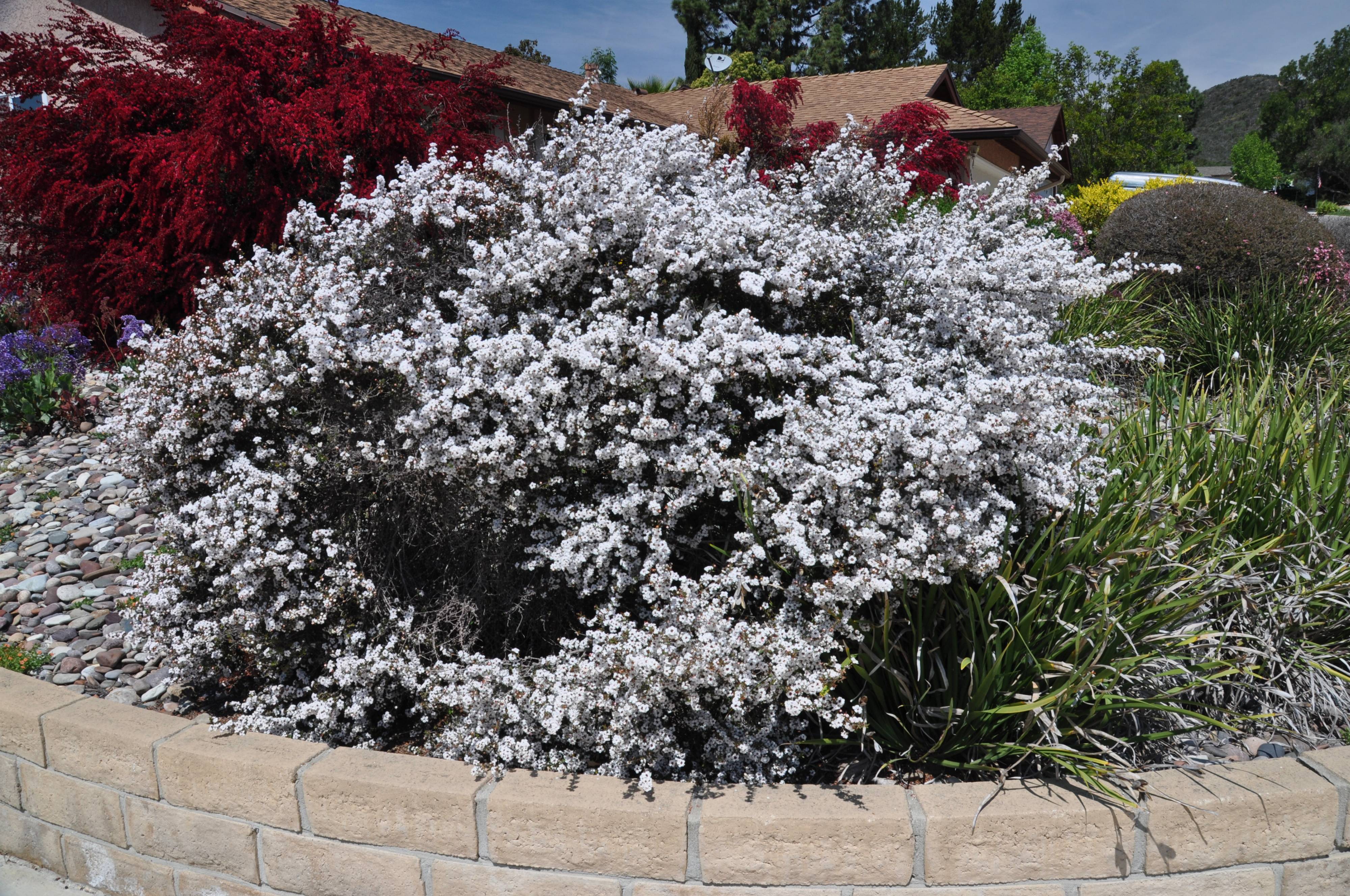
The Manuka plant is a small evergreen shrub that typically grows to a height of 2-4 meters. It has small, dark green leaves and produces white or pink flowers that are rich in nectar. These flowers attract bees, which play a crucial role in the pollination of the plant. The Manuka plant is known for its hardiness and ability to thrive in a wide range of soil types and climatic conditions.
Uses of Leptospermum Scoparium
One of the most well-known uses of the Manuka plant is the production of Manuka honey. This type of honey is renowned for its antibacterial and healing properties and is used in natural remedies for a variety of ailments, including sore throats, wounds, and digestive issues. Manuka honey is also a popular ingredient in skincare products, thanks to its moisturizing and anti-inflammatory properties.
In addition to its use in honey production, the Manuka plant has a long history of medicinal use by indigenous peoples in New Zealand and Australia. The leaves and bark of the plant were traditionally used to treat wounds, infections, and respiratory conditions. Today, Manuka essential oil is extracted from the leaves and is used in aromatherapy and skincare products for its antibacterial and antifungal properties.
Cultivation of Leptospermum Scoparium
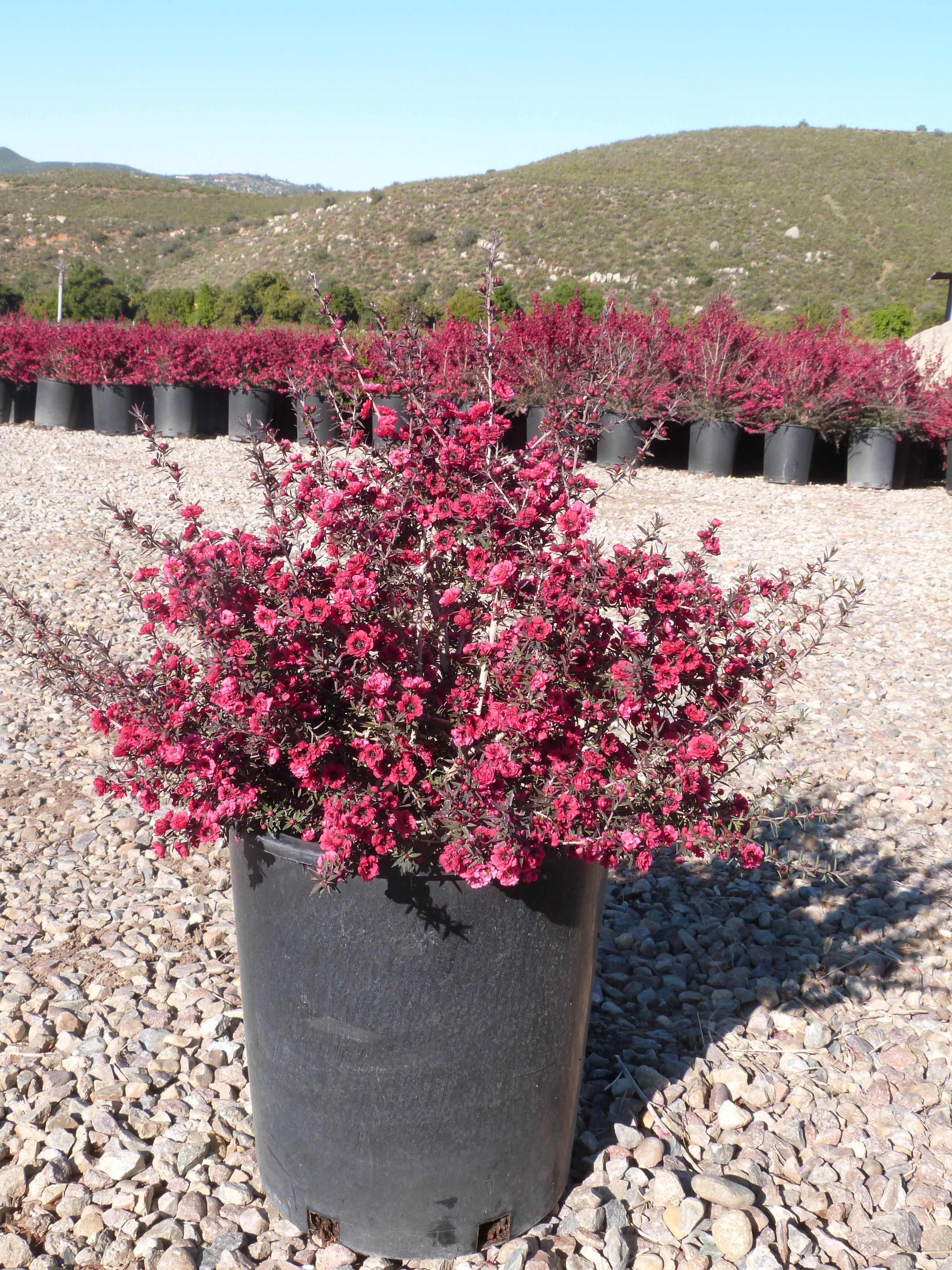
The Manuka plant is relatively easy to cultivate and can be grown in a variety of settings, including gardens, parks, and commercial plantations. It prefers well-drained soil and full sunlight, although it can tolerate partial shade. The plant is drought-tolerant once established and requires minimal maintenance.
Propagation of the Manuka plant is typically done from seeds or cuttings. Seeds can be sown directly in the ground or started indoors in pots. Cuttings taken from mature plants can also be used to propagate new plants. The Manuka plant is relatively fast-growing and can begin flowering within a few years of planting.
Conclusion
In conclusion, Leptospermum Scoparium, or the Manuka plant, is a versatile and valuable species that offers a range of benefits for both humans and the environment. From its medicinal properties to its role in honey production, this plant has earned its place as a cherished and sought-after botanical. With its ease of cultivation and adaptability to different conditions, the Manuka plant is sure to remain a popular choice for gardeners and herbalists alike.