


Hyacinthus Orientalis: A Fragrant and Colorful Addition to Your Garden
Hyacinthus Orientalis, commonly known as the hyacinth, is a beautiful flowering plant that belongs to the Asparagaceae family. Native to the Mediterranean region, the hyacinth is a popular choice for gardeners looking to add a burst of color and fragrance to their outdoor spaces. With its striking blooms and sweet fragrance, the hyacinth is a favorite among gardeners and flower enthusiasts alike.
The History of the Hyacinth
The hyacinth has a long and storied history, dating back to ancient times. In Greek mythology, the hyacinth is associated with a beautiful youth named Hyakinthos, who was beloved by the god Apollo. According to legend, Apollo accidentally killed Hyakinthos while playing a game of discus, and from his blood sprang the first hyacinth flower. This mythological origin story has contributed to the hyacinth’s association with rebirth and renewal.
The hyacinth was introduced to Europe in the 16th century, and quickly became popular among gardeners for its vibrant colors and intoxicating fragrance. Today, the hyacinth is widely cultivated around the world, and is a common sight in gardens, parks, and flower beds.
Characteristics of the Hyacinth
The hyacinth is a bulbous perennial plant that typically grows to a height of 6-12 inches. It produces dense spikes of fragrant, bell-shaped flowers in a wide range of colors, including white, pink, purple, blue, and yellow. The flowers are arranged in clusters at the top of a sturdy, upright stem, and bloom in early spring.
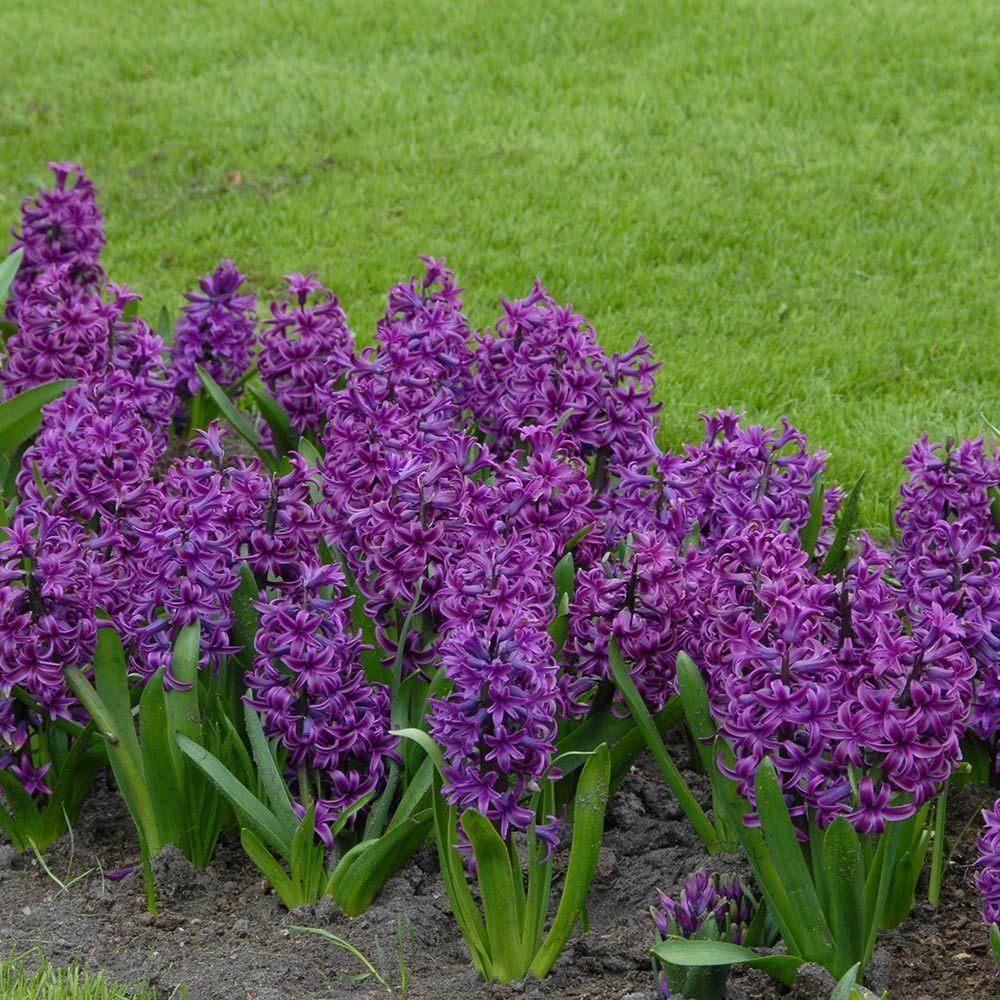
In addition to its beautiful flowers, the hyacinth also has long, narrow leaves that are glossy and dark green in color. The leaves grow in a rosette around the base of the plant, adding to the hyacinth’s overall attractiveness.
Growing and Caring for Hyacinths
Hyacinths are relatively easy to grow and care for, making them a popular choice for gardeners of all experience levels. To plant hyacinth bulbs, choose a sunny location with well-drained soil. Plant the bulbs in the fall, spacing them 4-6 inches apart and burying them to a depth of 4-6 inches.
Water the bulbs well after planting, and then water sparingly throughout the winter months. In the spring, as the weather warms up, the hyacinth bulbs will begin to sprout and grow. Once the flowers have bloomed, continue to water the plants regularly, taking care not to overwater as this can cause the bulbs to rot.
Hyacinth Care Tips:
Plant bulbs in the fall for spring blooms
Choose a sunny location with well-drained soil
Water sparingly during the winter months
Water regularly in the spring, taking care not to overwater
Deadhead flowers to encourage continued blooming

Uses of the Hyacinth
In addition to being a popular ornamental plant, the hyacinth has also been used for medicinal and culinary purposes. In traditional medicine, hyacinth extracts have been used to treat a variety of ailments, including coughs, colds, and respiratory infections. The flowers are also used in perfumery, where they are prized for their sweet, floral scent.
In the kitchen, hyacinth petals can be used to add color and flavor to salads, desserts, and beverages. The flowers can also be candied or used to make syrup, adding a touch of springtime freshness to a variety of dishes.
In Conclusion
Hyacinthus Orientalis is a versatile and beautiful flowering plant that is sure to brighten up any garden or outdoor space. With its vibrant colors, sweet fragrance, and easy care requirements, the hyacinth is a favorite among gardeners and flower enthusiasts alike. Whether planted in beds, borders, or containers, the hyacinth is sure to add a touch of elegance and beauty to your outdoor space.
So why not add some hyacinths to your garden this season and enjoy the beauty and fragrance of these lovely flowers for yourself?


